

Signs of a Bad Well Pump and What to Do Next
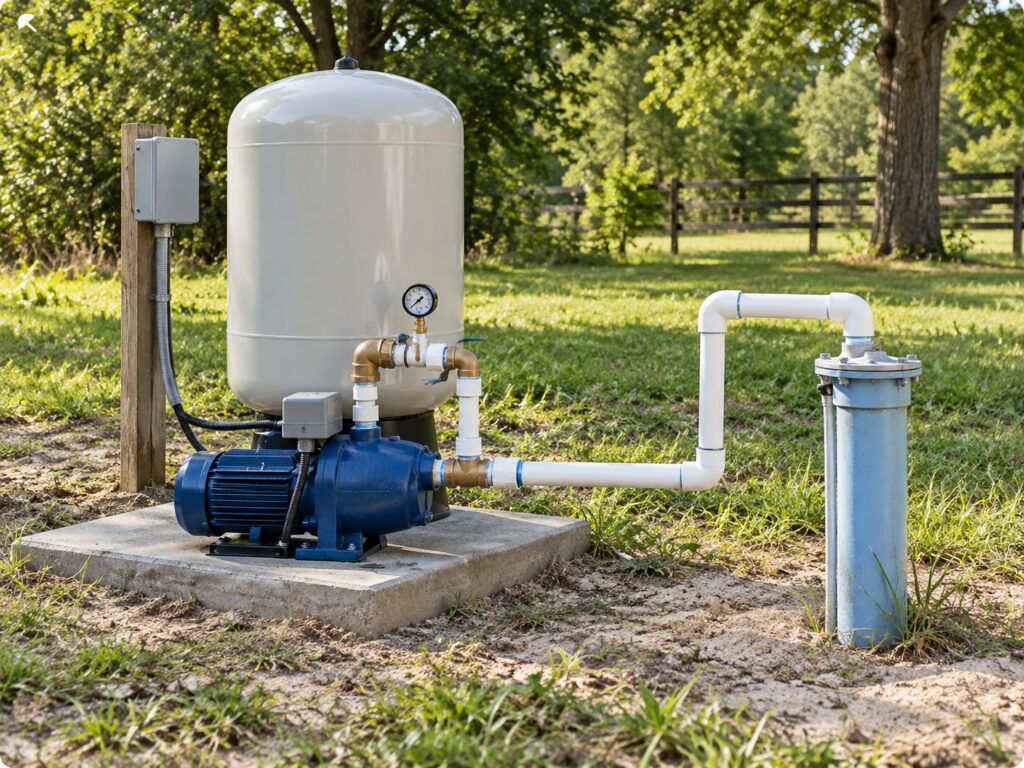
Table of Contents
Signs of a Bad Well Pump
Can a Well Pump Be Repaired, or Do You Need a New One?
Common Well Pump Problems and What Causes Them
What You Can Safely Check Before Calling a Pro
When to Call a Plumber or Well Driller
Repair or Replace? How to Decide
Emergency Well Pump Failure: What to Do
Well Pump Troubleshooting in Rock Hill, SC
Key Takeaways
Signs of a bad well pump don’t always mean you need a new pump. Many well pump problems can be traced to repairable components such as the pressure switch or pressure tank, while others require pump replacement. An accurate diagnosis can determine whether the problem is a repairable system component, a failed pump, or an issue with the well itself – and what type of professional is needed.
If your well pump isn’t working properly, it’s easy to assume the pump itself has failed. In reality, many well pump problems are caused by other components in the system, such as the pressure switch, pressure tank, or electrical controls.
This guide explains the most common signs of a bad well pump, what those symptoms may mean, what you can safely check yourself, and when it’s time to call a plumber or well driller for help.
Signs of a Bad Well Pump
Well pump problems often begin with subtle changes before the system fails completely. If you’re experiencing any of the symptoms below, your well system may need professional attention.
- No Water at All
A complete loss of water is one of the clearest signs that something in the well system requires immediate attention. The cause could be a tripped breaker, failed pressure switch, electrical or pump problem, or a low-producing or temporarily dry well. - Low or Fluctuating Water Pressure
Weak or fluctuating water pressure can point to a failing pressure tank, pressure switch, check valve, or the pump itself. It can also occur when the well is producing less water than the household is using, so proper diagnosis is important. - The Pump Runs Constantly
A well pump that never shuts off may indicate a pressure switch problem, plumbing leak, low water level, or another issue preventing the system from reaching the pressure needed to shut the pump off. Running continuously can increase wear on the pump. - The Pump Short-Cycles
A pump that turns on and off rapidly may indicate an incorrect pressure-tank air charge, failed tank bladder, pressure switch problem, or plumbing leak. Frequent cycling can shorten the life of the pump. - Air, Dirt, or Sand Coming From Faucets
Sputtering air or sandy water may indicate a low water level, a problem with the well screen or casing, improper pump depth, or another well or pump issue. These symptoms should be evaluated promptly. - An Unexpected Increase in Your Electric Bill
A failing well pump or pressure problem can cause the pump to run longer or cycle more often than normal. Over time, that extra run time may show up as an unexplained increase in your electric bill. - Unusual Noises
Rapid clicking, buzzing, or humming near the pressure switch or other well-system controls may indicate an electrical or control problem. An occasional click from the pressure switch as the pump turns on or off is normal.
Can a Well Pump Be Repaired, or Do You Need a New One?
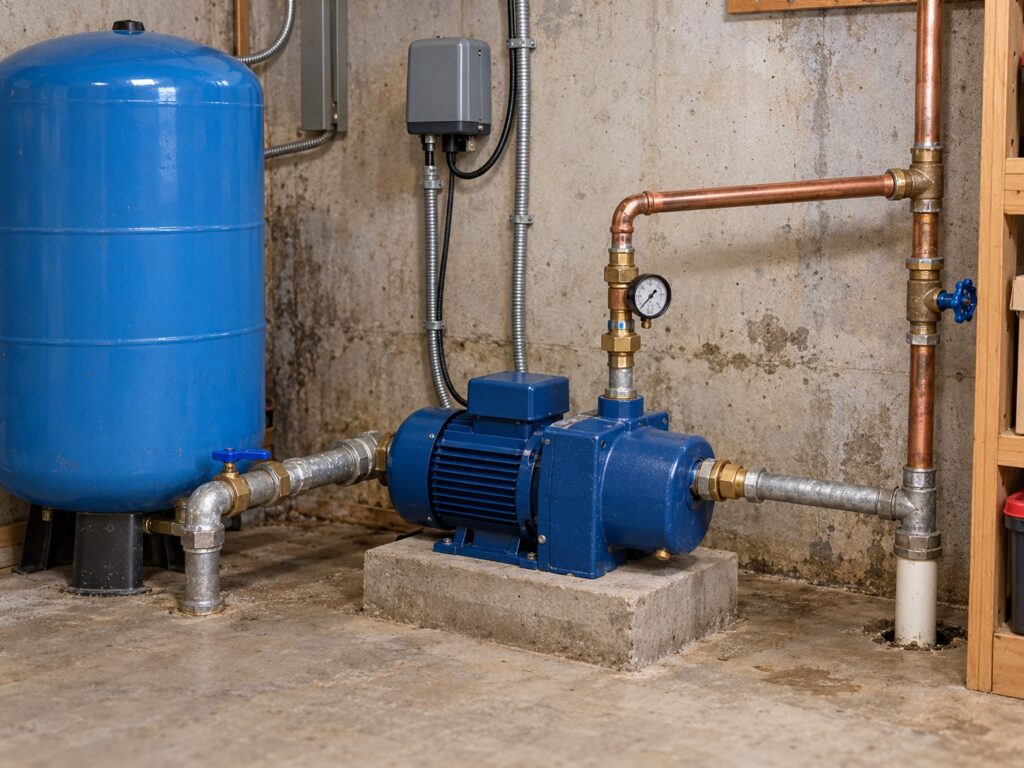
Many problems blamed on the well pump are actually caused by other parts of the system. A failed pressure switch, incorrect pressure-tank air charge, plumbing leak, clogged filter, or damaged control component may be repaired without replacing the pump.
If the pump or submersible motor itself has failed, replacement is often more practical than attempting an internal repair. Because a submersible pump must be pulled from the well, labor and equipment requirements also factor into the repair-or-replace decision.
An accurate diagnosis should come before assuming the pump has failed.
Common Well Pump Problems and What Causes Them
Many well pump problems produce similar symptoms, making proper diagnosis essential. Here are some of the most common causes and whether they’re typically repairable or may require pump replacement.
- The Pump Won’t Turn On
A tripped breaker, failed pressure switch, damaged controls or wiring, or a failed pump motor may prevent the pump from starting. Some electrical and control problems can be repaired without replacing the pump, while a failed submersible motor typically requires the pump to be pulled and replaced. - The Pump Short-Cycles
Rapid cycling commonly points to a pressure tank problem, pressure switch issue, or plumbing leak. An incorrect pressure-tank air charge may be corrected, but a tank with a failed bladder is normally replaced. - The Well System Won’t Hold Pressure
A faulty check valve or another leak may allow water to flow back toward the well, forcing the pump to cycle more often and increasing wear on the system. The repair depends on the location of the problem; some check valves are accessible, while a buried or down-well check valve may require the pump to be pulled. - The Pump Runs but No Water Comes Out
A failed submersible pump, damaged wiring, broken drop pipe, or a low-producing or temporarily dry well may prevent water from reaching your home. Identifying the cause may require specialized testing or equipment. - Low Water Pressure, Sputtering Faucets, or Sandy Water
Low pressure or sputtering may stem from the pressure tank or pressure switch, but it can also occur when the well is producing less water than the household is using. Sandy water can point to a low water level, well-screen or casing problem, improper pump depth, or sediment entering the system. Professional diagnosis can determine whether the problem originates with the plumbing, pump, or well itself.
What You Can Safely Check Before Calling a Pro
Before scheduling service, homeowners can safely check a few visible components. Do not open electrical boxes, test live wiring, or attempt to pull the pump, as these tasks require specialized equipment and training.
- Check the Circuit Breaker
Look for a breaker labeled “Well” or “Pump.” If it has tripped, switch it fully off before turning it back on. If it trips again immediately, do not continue resetting it and call a professional. Repeated tripping may indicate an electrical fault or failed pump motor. - Watch the Pressure Gauge
Run a faucet and watch the pressure gauge near the tank. It should drop until the pump turns on, then rise as pressure rebuilds. Erratic movement or frequent pressure swings may indicate a switch, tank, or pump problem. - Watch How the System Responds
Run a faucet and watch for changes in water flow and pressure. A deep submersible pump may not be audible from inside the home, so don’t rely on sound alone to determine whether it’s operating. No pressure recovery, continuous pressure loss, or repeated cycling warrants professional evaluation. - Look for Visible Damage
Check the pressure switch and nearby wiring for obvious corrosion, burn marks, melted components, or arcing damage. Do not remove covers or touch electrical contacts. Visible damage is a sign to shut off power and call a professional. - Check the Sediment Filter
A clogged whole-house sediment filter can restrict water flow and mimic a pump problem. Replace it according to the manufacturer’s instructions if it’s heavily clogged.
These checks may help narrow down the problem, but leave electrical testing and any work requiring the pump to be pulled to a professional.
When to Call a Plumber or Well Driller
Who handles a well-system repair depends on the problem, the location of the failed component, and the professional’s equipment and qualifications. Many plumbers work on accessible components such as pressure switches, pressure tanks, check valves, and household plumbing connected to the well system. Some are also equipped and qualified to pull and replace well pumps.
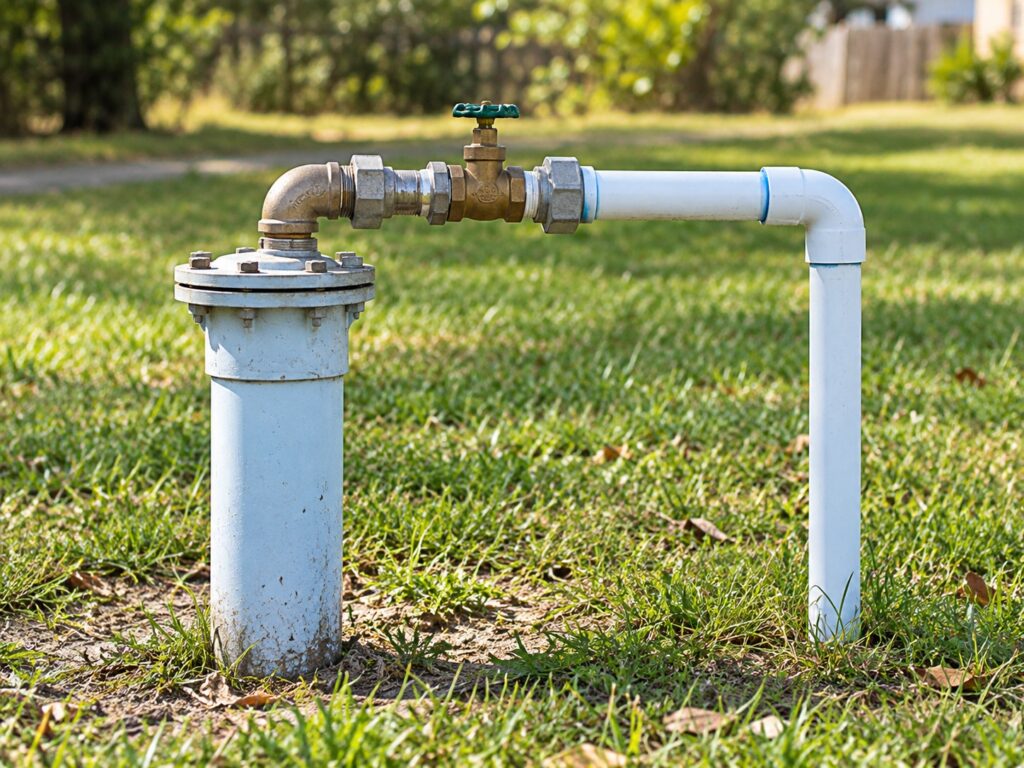
Other repairs may require a well driller or well-service contractor with specialized equipment. These can include deep submersible pump work, drop-pipe repairs, down-well wiring, well casing or construction problems, and other repairs that require pulling equipment from the well. Even a check-valve problem may require specialized equipment or pulling the pump, depending on the valve’s location.
If you’re not sure where the problem originates, a plumber can often diagnose the well system and determine what type of repair – and which professional – is needed.
Repair or Replace? How to Decide
Pump age, the type of failure, and the system’s repair history all help determine whether repair or replacement makes more sense. Problems involving the pressure switch, an incorrect pressure-tank air charge, a check valve, or other system components may be repairable, while a failed tank bladder typically means replacing the tank and a failed submersible motor typically means replacing the pump.
Although many well pumps last 10 to 15 years or longer, repeated repairs on an older system may make replacement the better long-term investment.
Emergency Well Pump Failure: What to Do
A complete loss of water is one of the clearest signs your well system needs immediate attention. Avoid repeatedly resetting breakers or pressure switches, as recurring electrical trips often indicate a more serious problem.
While you wait for service:
- Turn off power if you suspect the pump is running continuously without producing water.
- Avoid running faucets or appliances that depend on well water.
- Conserve any remaining water, if possible.
- Contact a plumber for professional diagnosis.
Well Pump Troubleshooting in Rock Hill, SC
If your well pump isn’t working properly, don’t ignore the warning signs. An accurate diagnosis is the first step toward the right repair.
Greymens Plumbing helps homeowners throughout Rock Hill and York County diagnose and repair many common well system problems. We’ll identify where the problem originates, explain your repair options, and let you know if the work requires a different type of well professional.
Contact Greymens Plumbing today to schedule an estimate.