

Key Takeaways
Recurring clogs, multiple slow drains, gurgling fixtures, sewage backups, and unusually wet areas in the yard can all indicate root intrusion or sewer line damage. A sewer camera inspection can identify the cause and determine whether root removal, pipe repair, or replacement is needed. Addressing the issue early may help prevent recurring blockages and more extensive repairs.
Tree roots typically enter sewer lines through existing cracks, loose joints, or deteriorated seals. While clearing the roots may restore flow, it doesn’t repair the opening that allowed them inside.
This guide covers the warning signs of tree roots in a sewer line, how plumbers remove them, when pipe repair or replacement may be necessary, and what homeowners in Rock Hill and York County should expect next.
How Do Tree Roots Get Into a Sewer Line?
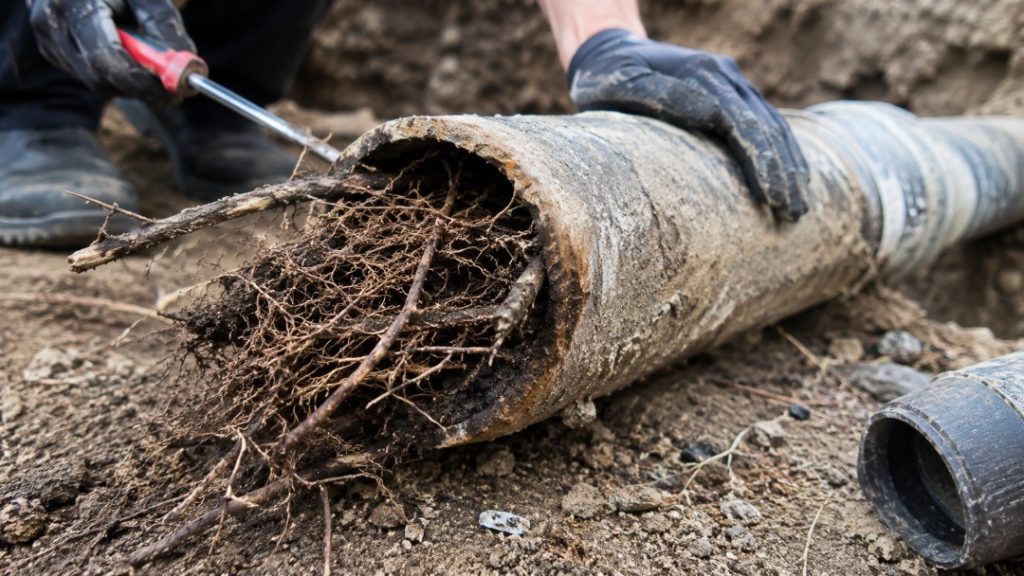
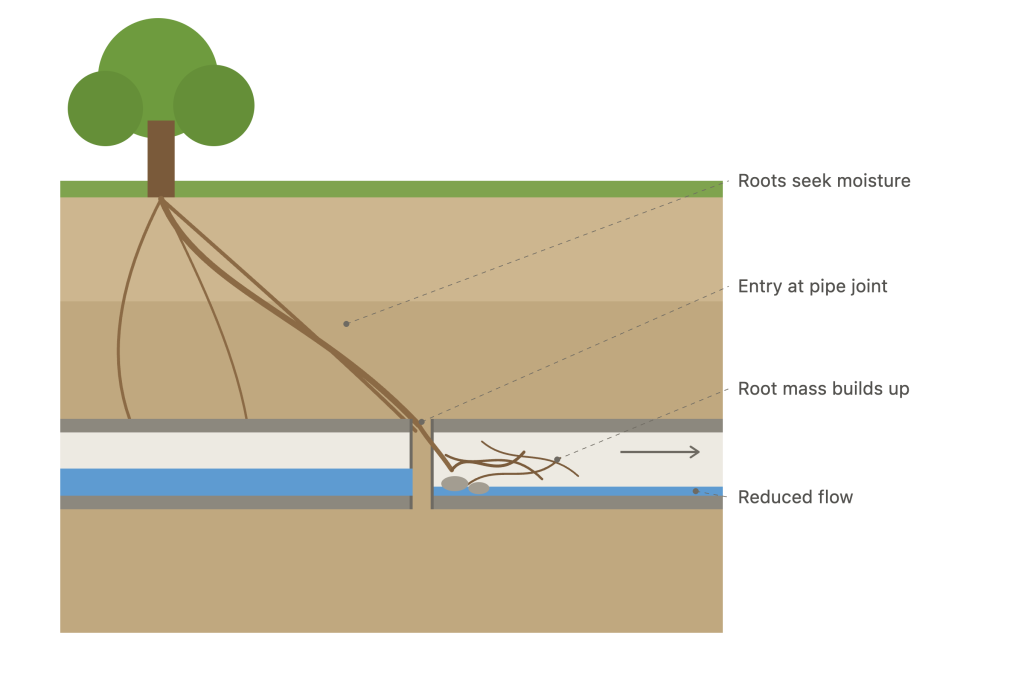
It’s common for people to assume that tree roots force their way into a sewer pipe and create damage. In most cases, though, the pipe already has a small crack, loose joint, deteriorated seal, or other weak spot. Roots are naturally drawn to the moisture and nutrients escaping from that opening, and once they reach it, they can begin growing inside the line.
Older clay and cast-iron sewer pipes tend to be more vulnerable because they are more likely to crack, corrode, or shift over time. Newer pipes are generally more resistant, but roots can still enter if the line becomes damaged.
As roots grow inside the pipe, they trap toilet paper, grease, and other debris. Over time, this can lead to slow drains, recurring clogs, and sewer backups. Continued root growth may also widen the opening, separate joints further, and worsen the condition of the pipe.
Signs You Have Tree Roots in Your Sewer Line
Tree roots usually don’t cause problems overnight. As they grow inside the pipe, they gradually restrict wastewater flow, causing symptoms that often become more frequent over time. If you’re noticing several of the signs of sewer line damage listed below, it’s a good idea to schedule an inspection before a complete blockage develops.
-
- Multiple Drains Are Slow or Backing Up
One slow drain usually indicates a localized clog. Multiple slow drains or backups throughout the home often point to a problem in the main sewer line.
- Multiple Drains Are Slow or Backing Up
-
- Toilets or Drains Make Gurgling Sounds
Gurgling noises can occur when air becomes trapped behind a partial blockage and escapes through nearby drains or toilets.
- Toilets or Drains Make Gurgling Sounds
-
- Recurring Main-Line Clogs
If you’ve had your main sewer line cleared more than once, especially within a year or two, tree roots may be growing through the same opening and causing the blockage to return.
- Recurring Main-Line Clogs
-
- Sewage Backs Up Into Lower Fixtures
When the main sewer line becomes heavily obstructed, wastewater may back up into the home’s lowest fixtures, such as basement floor drains, first-floor showers, tubs, or toilets.
- Sewage Backs Up Into Lower Fixtures
-
- Soggy or Unusually Green Areas in the Yard
Wastewater leaking from a damaged sewer pipe may cause the grass or landscaping above the line to appear greener, thicker, or wetter than the surrounding yard.
- Soggy or Unusually Green Areas in the Yard
-
- Persistent Sewer Odors
A compromised sewer line may produce unpleasant odors near lower-level drains or outside around the damaged pipe.
- Persistent Sewer Odors
What Dissolves Tree Roots in a Sewer Line?
Homeowners searching for ways to dissolve tree roots in a sewer line may come across products containing copper sulfate or other chemical root-control treatments. Copper-sulfate sewer-root products are regulated pesticide products and should only be used according to their approved labels. They are also not appropriate for every plumbing or septic system.
While some products may affect roots inside the pipe, no chemical treatment can permanently solve tree-root intrusion because it does not repair the crack, loose joint, or other opening that allowed the roots to enter. As a result, the underlying damage remains and roots can grow back. How quickly they return depends on the type of tree, the size of the root system, and the condition of the pipe.
If you suspect tree roots are causing a sewer problem, the next step is a professional sewer camera inspection. Once the location and extent of the intrusion are identified, your plumber can recommend the most effective long-term solution.
How Plumbers Remove Tree Roots and Diagnose the Damage
A sewer camera inspection helps determine where tree roots entered the line and assess the condition of the surrounding pipe. If the line is still passable, the inspection may be performed before cleaning begins. If roots completely obstruct the line, they may need to be cleared first so the camera can pass through.
Depending on the severity and location of the obstruction, your plumber may use specialized mechanical root-cutting equipment, hydro jetting with root-cutting nozzles when appropriate, or another professional drain-cleaning method to restore flow. The condition of the pipe should be evaluated before aggressive cleaning methods are used.
The inspection findings also help determine the appropriate long-term solution. Isolated damage may require a targeted repair, while widespread deterioration or a collapsed section may call for sewer line replacement. Without repairing the opening, roots can return and cause another blockage.
Repair or Replacement: How to Keep Roots From Returning
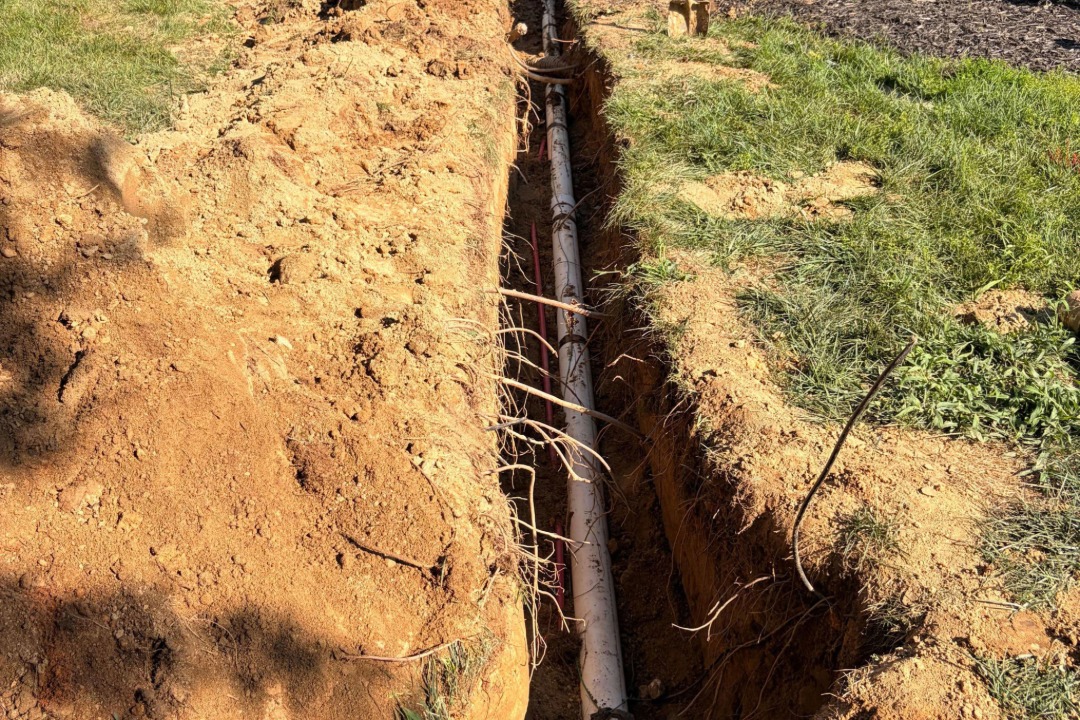
The right solution depends on what the camera inspection reveals. If the damage is isolated to a small section of pipe, a localized repair may be all that’s needed. If the sewer line has widespread cracking, separated joints, severe corrosion, or collapse, a partial or full sewer line replacement may be the best long-term solution.
In most cases, removing the nearby tree isn’t necessary once the sewer line has been repaired. However, if the sewer line runs directly beneath the tree or through major structural roots, tree removal may sometimes be part of the long-term solution.
Does Homeowners Insurance Cover Tree Roots in a Sewer Line?
In many cases, homeowners insurance does not cover damage caused by tree roots alone. Because root intrusion is generally considered a maintenance issue that develops over time, repairing or replacing a damaged sewer line is often the homeowner’s responsibility.
That said, every policy is different. Some insurance companies offer optional service line coverage that may help pay for repairs to underground water, sewer, or utility lines located on your property.
Coverage depends on your policy and whether you purchased service line protection. Service-line coverage and sewer-backup coverage are not necessarily the same. Service-line coverage may help with repairs to the underground sewer pipe, while sewer-backup coverage may apply to certain damage caused by wastewater entering the home. Homeowners should confirm both types of coverage with their insurance provider.
If you’re unsure what’s covered, review your policy or contact your insurance provider before scheduling major repairs. Your plumber can often provide a camera inspection report, photos, and other documentation that may be helpful if you decide to file a claim.
What Affects the Cost of Repairing Root-Damaged Sewer Lines?
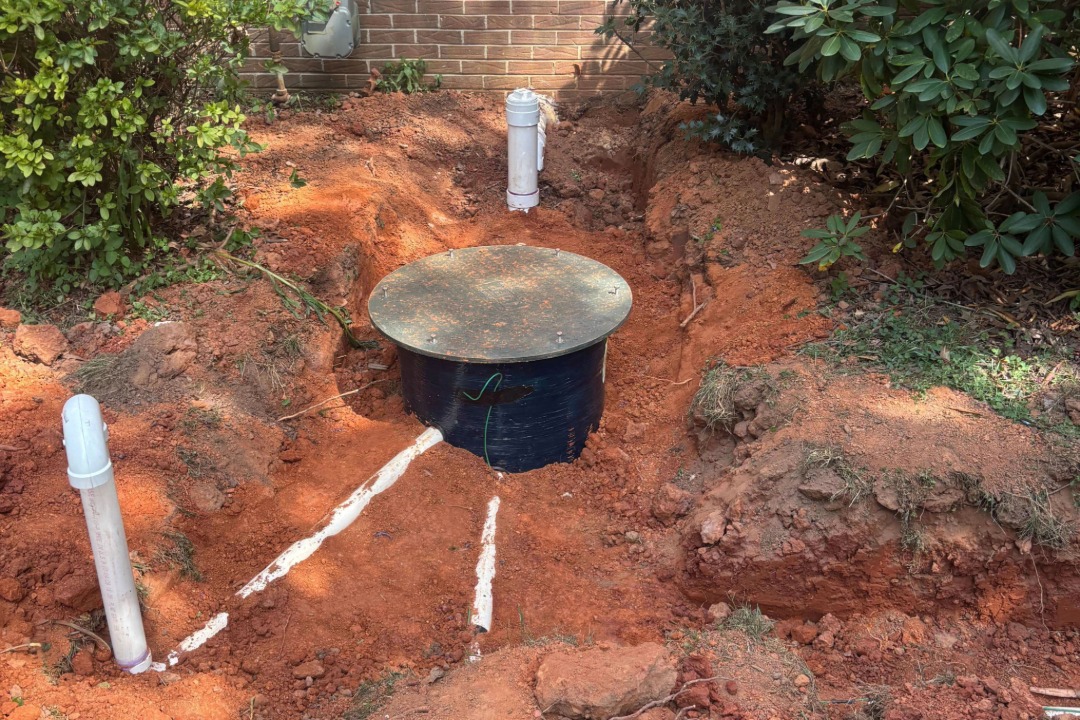
Several factors affect the cost of repairing a root-damaged sewer line, including the extent of the damage and the repair method required. In some cases, removing the roots and repairing a small section of pipe is enough. More extensive damage may require a partial sewer line replacement or replacing the entire sewer line.
Cost also depends on pipe depth, accessibility, excavation requirements, and the length of the damaged section. Because every property is different, an accurate estimate typically starts with a sewer camera inspection.
Addressing the problem early often results in more repair options and may help prevent larger, more expensive repairs later.
Can Tree Roots Be Prevented?
You can’t stop tree roots from growing, but you can reduce the risk of future sewer line problems. Because roots usually enter through cracks, separated joints, or other existing damage, repairing small defects early is the best long-term defense.
If your home has an older sewer line or a history of root intrusion, periodic camera inspections can help identify problems before they lead to recurring clogs or major repairs.
Be mindful of where you plant new trees. Large, fast-growing trees should generally be kept away from underground sewer lines. If you’re unsure where the line runs, a plumber can locate it before landscaping begins.
What to Do if Your Sewer Line Is Backing Up
If you suspect your sewer line is backing up:
-
- Stop using toilets, sinks, showers, washing machines, and dishwashers.
-
- Avoid pouring chemical drain cleaners into the system.
-
- Keep people and pets away from contaminated wastewater.
-
- Schedule a professional sewer camera inspection as soon as possible.
Continuing to use plumbing fixtures after a sewer line is blocked can force additional wastewater back into your home, making the damage worse.
Schedule a Sewer Camera Inspection in Rock Hill, SC
If you’re dealing with recurring drain clogs, slow drains throughout your home, gurgling toilets, or other signs of a clogged main sewer line, don’t wait for a complete backup to occur. A professional sewer camera inspection can identify whether tree roots, a broken pipe, or another issue is causing the problem, so your plumber can recommend the most appropriate repair.
At Greymens Plumbing, we provide drain cleaning and sewer line services for homeowners throughout Rock Hill and surrounding York County communities. Whether you’re experiencing your first backup or recurring root intrusion, our experienced team is here to diagnose the problem and recommend the right long-term solution.
Contact Greymens Plumbing today to schedule an estimate.