
Greymen’s Plumbing

7 Signs of a Slab Leak: What to Look For and What to Do Next

Key Takeaways
A slab leak is a break in a water or sewer line running beneath your home’s concrete foundation. The most common signs are an unexplained jump in your water bill, the sound of running water when every fixture is off, warm spots on the floor, damp flooring, and a drop in water pressure. Slab leaks do not seal themselves, so unexplained water loss is worth investigating promptly.

Plumbing problems can be frustrating enough when the source is easy to see. When the suspected leak is beneath several inches of concrete, figuring out what is happening becomes more complicated. Recognizing the signs of a slab leak can help you determine when professional leak detection may be necessary.

Pro Tip: If you hear the sound of running water even though there’s no appliance or spigot in use, turn off your main water supply if it’s accessible and safe to do so. Then, call a professional plumbing team.

What Is a Slab Leak?

A slab leak is a leak in the water lines beneath or within the concrete slab that forms your home’s foundation.

It may involve a pressurized water supply line carrying fresh water into your home or a sewer or drain line carrying wastewater away. Supply-line leaks can continuously release water, while drain or sewer leaks may appear only when water is being used.

So what causes a slab leak, and how can you tell whether you’re actually dealing with one? Understanding the common causes and warning signs can help you know when it’s time to call a professional.

What Causes Slab Leaks?

Slab leaks often develop gradually as pipes deteriorate or experience stress over time. Common causes include:

  • Corrosion that weakens metal plumbing, particularly older copper piping. 
  • Soil movement and settling that puts stress on plumbing beneath the slab. 
  • Abrasion caused by pipes rubbing against concrete, gravel, or another hard surface.
  • High water pressure that places additional stress on plumbing components and may contribute to premature failure.

These issues are relevant throughout York County and surrounding areas where homes range from newer construction to houses with decades-old plumbing systems.

7 Signs of a Slab Leak

Not every plumbing problem points to a slab leak, but several symptoms can indicate that water is escaping somewhere beneath the home.

  1. Your water bill suddenly jumps.
    An unexplained increase in your water bill can be a sign that water is escaping somewhere you can’t see. Before suspecting a slab leak, rule out more common causes such as a running toilet, dripping faucet, leaking appliance, or outdoor plumbing problem. 

  2. You hear running water when everything is off.
    If every faucet is closed, appliances aren’t running, and nobody is using water but you can still hear it moving through the plumbing, pay attention. Try a simple meter test: Turn off all water-using fixtures and appliances, then check your water meter. If it continues to register usage, water is flowing somewhere in the system. That doesn’t confirm a slab leak, but it does indicate that further investigation may be needed.

  3. You notice a warm or hot spot on the floor.
    A mysteriously warm section of flooring is one of the more recognizable slab leak symptoms. If a hot-water line beneath the slab is leaking, the escaping water may heat the surrounding concrete and flooring. Thermal imaging can sometimes help a plumber locate this type of leak.

  4. Your floor, carpet, or flooring is damp or warped.
    Water from beneath the slab may eventually appear as damp carpet, buckled wood, discolored flooring, loose tile, or unexplained moisture. If the moisture keeps returning after you’ve ruled out spills, appliances, and exterior water intrusion, it may be worth having the area inspected.

  5. Your water pressure suddenly drops.
    Low water pressure has many potential causes, including clogged faucet aerators, a failing pressure regulator, pipe corrosion, or an issue with the municipal water supply. If pressure is low throughout the house and those possibilities have been ruled out, a hidden plumbing leak becomes another possibility to investigate.

  6. Your house smells musty, or you see unexplained mold.
    A persistent musty odor or mold growth near the floor can indicate ongoing moisture. Mold alone doesn’t diagnose a slab leak, but unexplained moisture combined with other plumbing symptoms may point to a hidden leak.

  7. You notice cracks in the walls, floor, or foundation.
    Cracks can occur for many reasons unrelated to plumbing, so a crack by itself does not mean a slab leak is affecting your foundation. Significant or worsening structural cracks should be evaluated by a qualified structural professional, particularly when they appear alongside moisture or other signs of foundation movement. A plumber can investigate the plumbing but does not diagnose the structural integrity of your home.

Recognizing the warning signs is helpful, but knowing how to detect a slab leak means looking for patterns rather than relying on any one symptom. If several of these signs appear together – or your water meter shows unexplained usage – the next step is to narrow down the source.

How to Tell If You Have a Slab Leak

So, how to tell if you have a slab leak without assuming the worst? Start with the basics:

  • Check your water meter with everything off to see if usage still occurs.
  • Make sure toilets aren’t silently running.
  • Check faucets, appliances, hose connections, and other accessible plumbing.

If the meter continues moving and you can’t identify an above-ground source, professional leak detection is the next step.

A plumber may use acoustic listening equipment to detect escaping water, thermal imaging to locate temperature differences from hot-water leaks, and other methods depending on the plumbing system.

Is a Slab Leak an Emergency?

Some slab leaks require prompt attention, particularly when water is actively escaping or causing visible damage.

If you notice significant moisture, rapidly increasing water usage, damaged floors or walls, or a large amount of water entering the home, contact a plumber as soon as possible.

How long can a slab leak go undetected? Potentially days, weeks, or even longer when the leak is small and the symptoms are subtle.

Because ongoing leaks can lead to additional moisture-related damage over time, it’s worth having unexplained water loss investigated rather than waiting for the symptoms to become more noticeable.
How Slab Leaks Get Fixed

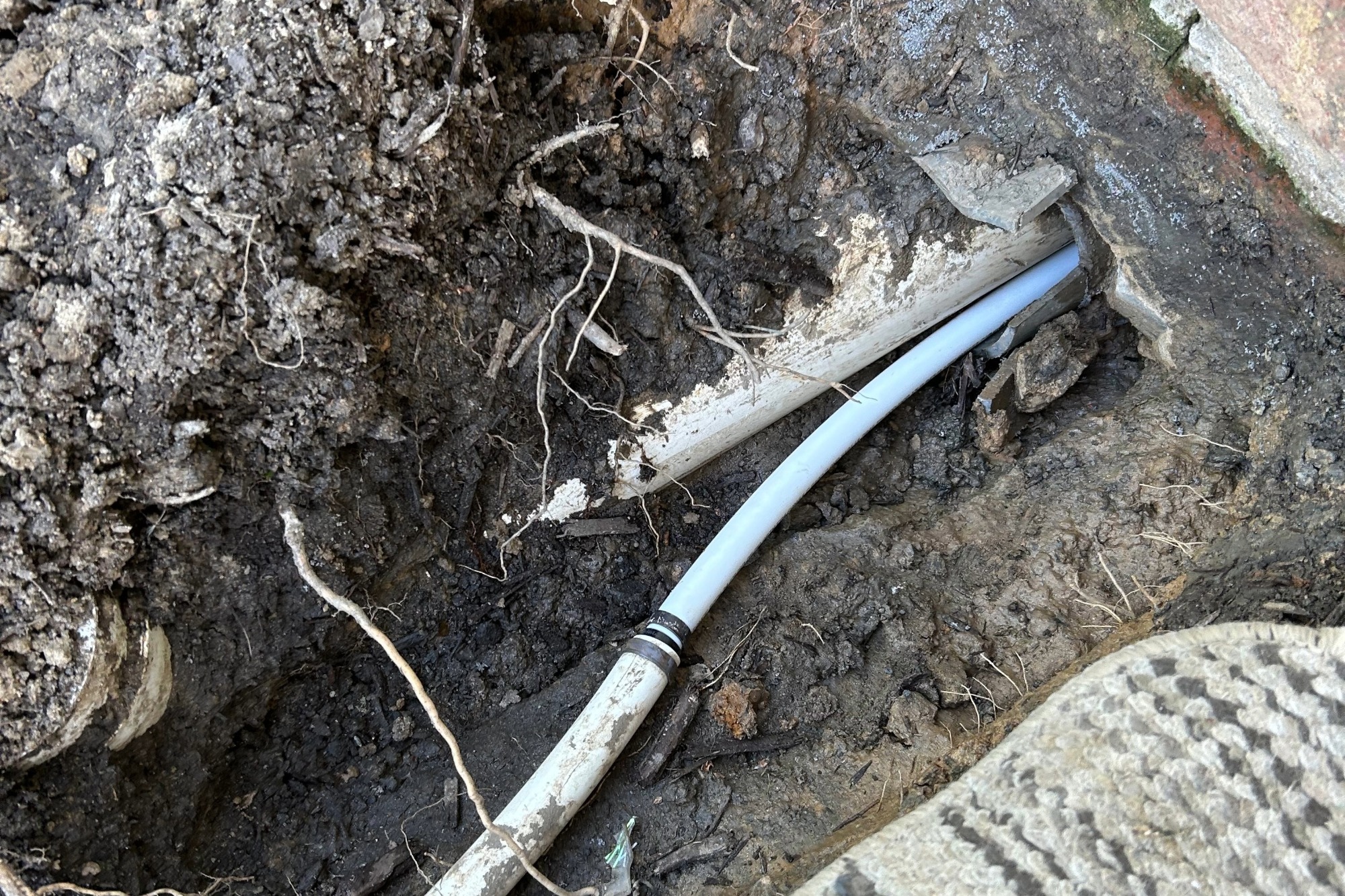
Once a slab leak has been located, the repair method depends heavily on the location and condition of the plumbing. 

  • Direct access repair: The plumber reaches the damaged pipe through the slab and repairs or replaces the affected section. This may make sense when the leak is isolated and surrounding plumbing is in good condition.
  • Rerouting the line: The damaged section is bypassed and plumbing is routed through a more accessible area. This can reduce disruption when accessing the buried pipe would be difficult or the line has multiple problems.
  • A whole-home repipe: Generally rare, a water line re-pipe may be appropriate when the slab leak is one symptom of widespread deterioration throughout the plumbing system.

The appropriate repair depends on the location of the leak, the condition of the affected line, and the overall plumbing system.

Will Homeowners Insurance Pay for a Slab Leak?

Maybe. Coverage depends on what caused the leak, what damage resulted, and the language of your specific homeowners insurance policy.

Policies commonly distinguish between sudden accidental damage and problems caused by long-term deterioration, wear and tear, or maintenance issues. The damaged pipe itself may not be covered even when resulting damage to the home is.

If significant damage has occurred, take photos and contact your insurance company or agent to determine what your policy covers.

What Affects the Scope of a Slab Leak Repair?

The scope of a slab leak repair can depend on:

  • Where the leak is located beneath the foundation
  • Whether it’s a hot or cold water line
  • Whether the affected line can be bypassed or rerouted
  • The age and condition of the plumbing system
  • Whether the leak is isolated or part of a larger pattern

That’s why accurate leak detection comes first. Once you know what you’re dealing with, you can make a more informed decision about the least disruptive and most appropriate repair.

What to Do If You Suspect a Slab Leak

Start by checking your water meter with everything off. Look for fixture or appliance leaks and note unusual symptoms such as warm flooring, damp spots, running-water sounds, changes in water pressure, or an unexplained increase in your water bill.

If you find evidence of continued water loss and can’t identify the source, shut off your main water supply if appropriate and safe to do so, document what you’re seeing, and call a professional for leak detection.

And if you’re in Rock Hill, Fort Mill, York County, or the surrounding North or South Carolina area, Greymens Plumbing is available 24/7. Contact us today at 803-524-6126.

If you’re dealing with an active leak or simply noticing symptoms you can’t explain, Greymens Plumbing can help identify the source, explain your options, and recommend an appropriate next step.

Scroll to Top