

Installing a Tankless Water Heater: What to Expect
Table of Contents
How a Tankless Water Heater Works
What Happens Before Tankless Hot Water Heater Installation?
What’s Actually Involved in Installing a Tankless Water Heater?
Gas vs. Electric Tankless Water Heater Installation
How Long Does Tankless Water Heater Installation Take?
What Affects the Cost of Installing a Tankless Water Heater?
Why Tankless Water Heater Installation Isn’t a DIY Project
Maintaining Your Tankless Water Heater
Considering a Tankless Water Heater in the Rock Hill Area?
Key Takeaways
Installing a tankless water heater can involve gas, electrical, venting, placement, and permitting considerations depending on your home. Proper sizing is also essential to keep up with your household’s peak hot water demand. With a professionally installed system, homeowners can enjoy the efficiency and space-saving benefits of an on-demand water heater while helping ensure safe, reliable performance for years to come.
Installing a tankless water heater is more involved than simply replacing one appliance with another. Depending on your home, the project may require adjustments to gas lines, electrical service, venting, permits, or placement. This guide explains what homeowners can expect before and during on-demand water heater installation, including how installers size the unit, what gas and electric systems require, how long installation typically takes, and what factors can affect cost.
How a Tankless Water Heater Works
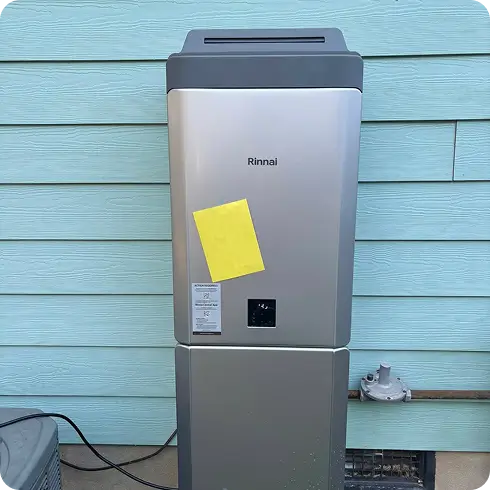
A tankless water heater heats water only when you need it. Instead of storing hot water in a tank, the system activates when you turn on a hot water tap, shower, appliance, or fixture.
From there:
- Cold water enters the unit
- A gas burner or electric heating element heats the water
- Hot water flows directly to the fixture
- The unit shuts off when hot water is no longer needed
By installing an on-demand water heater, homeowners can reduce standby energy loss and free up space compared to a traditional storage tank water heater.
Most homes use a whole-home tankless water heater that supplies hot water throughout the house. Smaller point-of-use units are also available for serving a single bathroom, addition, garage, or outdoor kitchen.
What Happens Before Tankless Hot Water Heater Installation?
Before installing a tankless water heater, a licensed plumber will evaluate your home’s existing system and hot water needs. Proper sizing is one of the most important parts of a successful project.
Many homeowners ask whether they can replace a 40-gallon water heater with a tankless water heater. In many cases, the answer is yes. However, tankless systems are sized differently than traditional tank water heaters. Instead of matching tank capacity, your installer will evaluate your household’s peak hot water demand and recommend a system that can keep up with usage.
Some of the key factors your installer will assess include:
- Household hot water demand
- Fuel source (gas, propane, electric)
- Gas line capacity
- Electrical service
- Venting requirements
- Installation location
- Permit and inspection requirements
Some homeowners also choose to add a hot water recirculation system during a tankless water heater installation. Recirculation systems help deliver hot water to fixtures faster by reducing the amount of time spent waiting for heated water to travel through the plumbing system. If minimizing wait times is a priority, this may be worth discussing during the planning process.
What's Actually Involved in Installing a Tankless Water Heater?
While every home is different, most tankless water heater installations follow a similar process. The exact scope of work will depend on the type of unit being installed and whether upgrades are needed to support it.
- Remove the Existing Water Heater
If your home already has a traditional water heater, a licensed plumber will safely disconnect and remove the old unit while preparing the installation area for the new system. - Mount the New Tankless Unit
Because tankless water heaters are compact and wall-mounted, installation locations are often more flexible than traditional tank water heaters. Your plumber will securely install the unit in a location that meets manufacturer specifications and local code requirements. - Connect Water, Gas & Electrical Services
Your installer will connect the plumbing, gas, or electrical systems required for your new unit. Depending on your home’s existing infrastructure, this may involve water line modifications, gas line upgrades, dedicated electrical circuits, or service valves. - Install or Modify Venting
Gas tankless water heaters require specialized venting to safely remove combustion gases. Electric tankless water heaters do not require venting. - Test the System & Verify Performance
Before the project is complete, your installer will test the system for leaks, verify proper water flow and temperature, and ensure all safety features are functioning correctly. - Final Inspection
Depending on local requirements and the scope of work, a final inspection may be needed before the installation is considered complete and the permit can be closed out. This is especially common when the project involves gas line, venting, electrical, or major plumbing modifications.
Gas vs. Electric Tankless Water Heater Installation
One of the biggest factors affecting a tankless water heater installation is whether the unit uses gas or electricity.
Gas or Propane Tankless Water Heaters
Gas tankless water heaters are often preferred for whole-home applications because they can support higher hot water demand. However, installation may require:
- Gas line sizing upgrades
- Higher BTU capacity
- Specialized venting
- Combustion air considerations
- Permit and code compliance
Electric Tankless Water Heaters
Electric tankless water heaters eliminate the need for gas piping and venting, but they often require significant electrical capacity. Depending on the system and your home’s existing service, installation may involve:
- Dedicated high-amperage circuits
- Additional breakers
- Electrical panel upgrades
- Coordination with a licensed electrician
Because of these requirements, whole-home electric tankless water heaters are not practical for every property. They are typically better suited for smaller homes or point-of-use applications.
How Long Does Tankless Water Heater Installation Take?
Most tankless water heater installations can be completed in a few hours to a full day. The exact timeframe depends on the complexity of the project and whether upgrades are needed to support the new system.
Projects that require gas line upgrades, electrical modifications, new venting, or relocation of the unit generally take longer than straightforward replacements. During the planning process, your installer will evaluate your home’s setup and provide a clearer estimate of what to expect.
What Affects the Cost of Installing a Tankless Water Heater?
The cost of installing a tankless water heater can vary from one home to another. While the unit itself is an important factor, installation requirements often have the biggest impact on the overall project cost.
Some of the most common factors that affect installation costs include:
- Gas, propane, or electric unit
- System size
- Gas line upgrades
- Electrical upgrades
- Venting requirements
- Installation location
- Permits and inspections
- Tank-to-tankless conversions
While many homeowners appreciate the energy efficiency and space savings of a wall-mounted tankless water heater, there are some potential drawbacks to consider. Compared to traditional water heaters, tankless systems typically have a higher upfront installation cost and may require gas, electrical, or venting upgrades that can increase the overall project cost.
It’s worth asking about available rebates, utility incentives, or tax credits that may help offset some of the cost of upgrading to a more energy-efficient system.
Why Tankless Water Heater Installation Isn't a DIY Project
Even a small mistake during tankless hot water heater installation can affect the performance, efficiency, and safety of the system. Potential risks of improper installation include:
- Gas leaks
- Carbon monoxide exposure
- Electrical hazards
- Water damage
- Failed inspections
- Voided manufacturer warranties
For these reasons, manufacturers recommend professional installation to ensure the system operates safely and performs as intended.
Maintaining Your Tankless Water Heater
Like any plumbing system, tankless water heaters require maintenance to perform their best. Most manufacturers recommend annual flushing and routine maintenance to help remove mineral buildup and maintain efficiency, especially in areas with hard water.
Annual maintenance can also help identify potential issues before they become costly repairs. Having a plan for routine flushing and inspections can make it easier to stay on top of recommended maintenance and protect long-term system performance.
Considering a Tankless Water Heater in the Rock Hill Area?
Whether you’re replacing an aging water heater or considering an on-demand water heater installation for the first time, Greymens Plumbing can help you determine the best solution for your home. We install quality tankless water heater systems from trusted manufacturers, including Rinnai and Navien.
Greymens Plumbing provides tankless water heater installation and replacement services throughout Rock Hill, Fort Mill, Tega Cay, Lake Wylie, Indian Land, and surrounding communities. We also offer maintenance plans that can help simplify annual tankless water heater flushing and routine system inspections to keep your unit operating efficiently.
Contact us today to schedule an estimate.